The Ultimate Guide to Hollywood-Approved Sunglasses
The Ultimate Guide to Hollywood-Approved Sunglasses
Ever wonder why your choice of eyewear says so much about you? The perfect pair of sunglasses is a powerful blend of personal style, crucial eye protection, and a statement of identity. This guide decodes celebrity secrets and performance tech, empowering you to find your ideal match by exploring a vast collection of sunglasses that align with your needs.
【Why Your Next Pair of Sunglasses Matters】

Ever stopped to think that a simple accessory could be a window into your identity? The right pair of sunglasses is far more than just plastic and glass; it’s a statement, a tool, and a crucial piece of your personal gear. They are the final touch to an outfit and the first line of defense for your eyes.
The Secret Behind a Superstar's Shades
When a celebrity wears a particular style of eyewear, it's rarely a random choice. For many, sunglasses are a deliberate part of their public persona, blending style with a very practical purpose. They become iconic, not just for how they look, but for the story they tell.
Case Study: Why Eric Church wears sunglasses on stage
Take country music star Eric Church, who is almost never seen on stage without his signature aviator sunglasses. This didn't start as a fashion statement. Early in his career, the intense, hot stage lights were overwhelming. The shades helped him focus, cutting the glare and allowing him to connect with the music and the moment. Over time, those functional aviators became an inseparable part of his "Chief" identity, a symbol of his cool, focused demeanor.
It's More Than Fashion: It's Function and Identity
The lesson from Eric Church is clear: a great pair of sunglasses works on two levels. First, there's the function. High-quality eyewear protects your vision from damaging ultraviolet (UV) rays, reduces eye strain in bright conditions, and can even enhance clarity. This is the non-negotiable, practical benefit. Second, there's identity. Your choice of shades communicates a part of your personality. Are you classic and timeless like a wayfarer wearer, or bold and modern with a shield-style frame? Your sunglasses help tell that story.
How to Find Your Perfect Pair
Understanding the "why" behind a good pair of shades is the first step. Now, let’s get into the "how." Finding your perfect match isn't about guesswork; it's about knowing what to look for, from the lens technology to the style that feels authentically you.
From technical specs to celebrity-approved styles
Choosing the best sunglasses for 2025 means looking beyond the frame shape. Pay attention to the technical specifications. Visible Light Transmission (VLT) tells you how much light the lens lets through—a lower percentage means a darker lens for brighter days. Most importantly, ensure your lenses offer UV400 protection, which blocks 100% of harmful UVA and UVB rays. For superior performance, consider polarized lenses, which are designed to cut a-list-level glare from reflective surfaces like water and asphalt. This is how you get celebrity style with expert-level function.
Answering your questions on price, protection, and performance
Let's tackle the common questions. Why are some sunglasses so expensive? The price often reflects superior materials like lightweight titanium or handcrafted acetate, advanced lens coatings, and the precision of the design. What level of protection is essential? Don't settle for anything less than UV400. It's a health standard, not a luxury feature. Finally, what about performance? The best performance sunglasses are tailored to your life. A runner needs a lightweight, no-slip fit, while a frequent driver will gain the most from the clarity of polarized lenses.
Finding a pair that balances all these needs—style, function, and identity—is the ultimate goal. To do that, you need to see what's out there. By browsing a diverse collection, you can compare the technical specs of performance eyewear against the aesthetics of the latest designer frames. This is the most effective way to find the pair that truly meets your needs. Visiting a well-stocked online store gives you the power to filter and find sunglasses for your style, ensuring your next pair is your perfect pair.
【Celebrity Style: What Sunglasses Do the Stars Wear?】

When it comes to setting trends, Hollywood's elite are the ultimate influencers. Their choice of eyewear is rarely an accident; it's a carefully curated decision that shapes their public image. By looking at the sunglasses the stars wear, we can find powerful inspiration for our own style for 2025 and beyond.
The Hollywood Elite's Obsession: Jacques Marie Mage
In the world of ultra-luxury eyewear, one name whispers exclusivity and craftsmanship: Jacques Marie Mage (JMM). These aren't just sunglasses; they are limited-edition spectacles, handcrafted in Japan from the finest materials.
Why A-listers from Jeff Goldblum to Rihanna choose JMM
Why are stars willing to invest in such high-end frames? JMM offers a powerful combination of bold, architectural design and extreme rarity. Each pair is part of a small, numbered batch, making them collectors' items. For a celebrity, wearing JMM is a statement of taste and an appreciation for artistry, setting them apart from mainstream fashion.
Case Study: Jeff Goldblum and his signature JMM frames
Look no further than Jeff Goldblum. His persona is a masterclass in quirky intellectualism and confident style, and his signature JMM frames are central to that image. He often sports the "Dealan" model, a bold, trapezoidal frame that perfectly accentuates his features. His choice in sunglasses isn't just an accessory; it's an extension of his personality—unmistakably Goldblum.
Star-Studded Sightings: A list of celebrities in JMM
Jeff Goldblum is in good company. The roster of JMM devotees reads like a red-carpet guest list and includes:
- Brad Pitt
- LeBron James
- Rihanna
- Selena Gomez
These stars choose JMM shades for their standout designs and unparalleled quality, solidifying the brand's status as the pinnacle of celebrity eyewear.
The Functional Icon: The Eric Church Story
But celebrity style isn't always born on a fashion runway. Sometimes, an iconic look is a solution to a real-world problem, as is the case with the Eric Church sunglasses story.
More than a look: Solving a problem with Ray-Bans
As we touched on earlier, country star Eric Church is famous for his signature Ray-Ban Aviator sunglasses. This look wasn't conceived by a stylist. Early in his career, he found the intense, hot stage lights were making him lose focus and mess up his contacts. The aviators were a practical tool to solve that problem.
How stage lights forced a practical fashion choice
The constant glare from stage lighting can be overwhelming for any performer. By putting on his shades, Church created a barrier, allowing him to stay in the moment and connect with his music without distraction. Over time, this functional choice became his trademark, proving that the most authentic styles are often born from necessity.
Whether you're drawn to the artistic flair of Jeff Goldblum's designer frames or the practical cool of Eric Church's classic aviators, the message is clear: the right pair of sunglasses defines and enhances your identity. To find the pair that speaks to you, it helps to explore a wide range of options. Visiting a broad online collection allows you to compare designs and technical specs side-by-side, which is the best way to find the perfect sunglasses that align with both your style and functional needs.
【Designer Sunglasses: Are They Worth the Investment?】
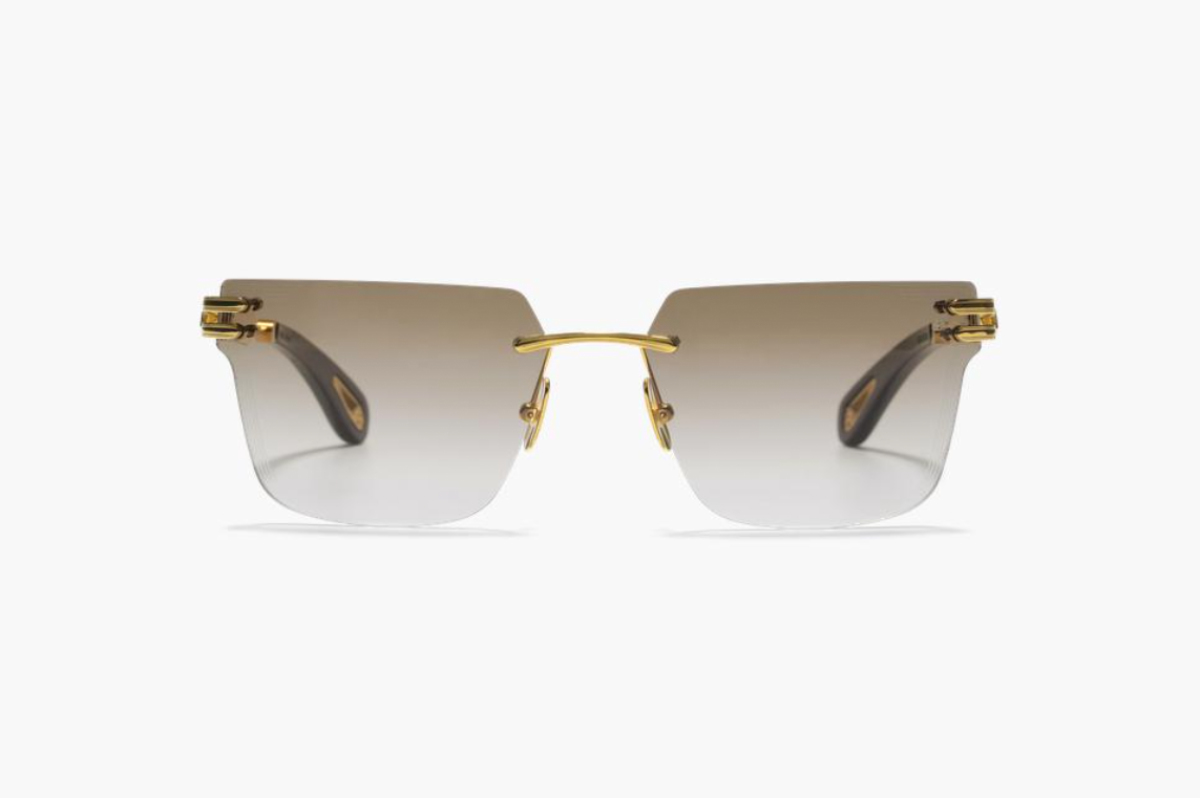
It's the question on every fashion-conscious shopper's mind: Are designer sunglasses genuinely worth the high price tag? When you see a pair of shades costing hundreds, or even thousands, of dollars, it's natural to wonder what justifies the cost. Let's break down the value proposition behind these luxury accessories for 2025.
The Million-Dollar Question: Why Are Some Sunglasses So Expensive?
Have you ever experienced sticker shock while browsing for eyewear? The leap from a standard pair to a designer label can be immense. This price difference isn't arbitrary; it's rooted in exclusivity, materials, and a level of artistry that mass-market products simply cannot match.
The JMM Approach: Limited editions from $800 to over $2,000
Brands like Jacques Marie Mage operate on a model of extreme scarcity. They don't mass-produce their frames. Instead, they release them in limited, numbered batches. With prices ranging from $800 to over $2,000, you are not just buying sunglasses; you are acquiring a collectible piece of art. This rarity is a significant driver of their high cost and appeal.
Artisanal Craftsmanship: Japanese production and hand-polishing
Beyond exclusivity, the high price of designer sunglasses is a reflection of superior artisanal craftsmanship. Many of the world's most luxurious frames are handcrafted in Japan, a nation renowned for its precision and expertise in eyewear manufacturing. The process involves hundreds of steps, including meticulous hand-polishing to achieve a luster and feel that is impossible to replicate with machinery. This dedication to quality materials and labor-intensive techniques is what you are investing in.
Finding Designer Deals: A Price Comparison
While ultra-luxury frames come with a steep price, not all designer eyewear will break the bank. If you love the quality and style of a designer brand but are looking for a better deal, a smart price comparison is your best strategy. Being a savvy shopper can lead to significant savings.
Case Study: Chloé sunglasses at Costco
Sometimes, the best designer deals pop up in the most unexpected places. For instance, a pair of stylish Chloé sunglasses was spotted at Costco. This demonstrates that you don't always have to visit a high-end boutique to find premium brands; warehouse clubs and off-price retailers can be goldmines for discounts.
Data-Driven Comparison: Costco ($158.99) vs. Nordstrom Rack ($189.97) vs. Select Eyewear ($344)
Let the numbers speak for themselves. The Chloé sunglasses found at Costco were priced at an incredible $158.99. A quick comparison revealed the same pair selling for $189.97 at Nordstrom Rack and a full $344 at a specialty retailer, Select Eyewear. This data clearly shows that where you purchase your designer shades can impact the price by more than 50%.
Ultimately, deciding if designer sunglasses are a worthy investment comes down to a personal calculation of value, style, and budget. To make the right choice, it's crucial to compare your options. Seeing different brands, prices, and retailers in one place allows you to determine what "worth it" truly means for you. Discovering a comprehensive collection is the best way to find the perfect sunglasses that fit your style and budget.
【Performance Eyewear: Decoding the Technology】

When you're pushing your limits, your sunglasses need to do more than just look good. Performance eyewear for 2025 is a marvel of engineering, packed with technology designed to protect your eyes and enhance your vision. It's not about fashion; it's about function.
Beyond the Look: The Tech That Protects Your Eyes
What really separates a $20 pair of gas station shades from a high-performance model? The answer lies in the lens and frame technology—innovations that provide tangible benefits for safety and clarity. Let's decode the tech that truly matters.
Polarized vs. UV Protection Sunglasses: What's the difference?
This is one of the most common points of confusion. Think of it this way: UV protection is non-negotiable, while polarization is a high-performance feature for specific conditions. All quality sunglasses must offer UV protection, blocking harmful ultraviolet rays that can damage your eyes. It’s your essential, first line of defense.
Polarized lenses, on the other hand, are specifically designed to eliminate glare. They have a special filter that blocks the intense, horizontal light that reflects off surfaces like water, pavement, and snow. This reduction in glare enhances visual comfort and clarity, but it is a separate feature from UV protection.
Explained: What is VLT in sunglasses?
Have you ever seen a percentage listed on a pair of sunglasses? That's the VLT, or Visible Light Transmission. It’s a simple metric that tells you how much light the lens allows to pass through to your eye.
A lower VLT (e.g., 5-15%) means the lens is very dark, ideal for bright, high-glare environments like a ski slope on a sunny day. A higher VLT (e.g., 30-50%) indicates a lighter lens, better suited for overcast days or driving. Understanding VLT helps you choose the right sunglasses for your specific lighting conditions.
Photochromic Lens Technology Explained: The Julbo Reactiv Advantage
What if one pair of sunglasses could adapt to changing light? That's the magic of photochromic lens technology. These lenses, also known as transition lenses, automatically darken when exposed to UV light and lighten when you're indoors or in the shade.
Brands like Julbo have perfected this with their Reactiv lens technology. Reactiv lenses adjust their VLT faster and across a wider range than many competitors, making them a game-changer for activities like trail running or mountain biking, where you move in and out of shadows constantly.
The Athlete's Choice: Best Performance Sunglasses for Sports
Choosing the right eyewear isn't a one-size-fits-all decision for an athlete. The visual demands of golf are vastly different from those of mountaineering. That's why top brands develop sport-specific sunglasses.
What Makes Golf Sunglasses Different?
A golfer's main goal is to track a small white ball against a vast green landscape and accurately read the subtle contours of the putting green. For this, contrast is key.
Golf sunglasses often use lenses that boost contrast, making the white of the ball "pop" and helping to define the textures of the fairway and green. Interestingly, many professional golfers prefer non-polarized lenses, as traditional polarization can sometimes distort depth perception, which is critical when lining up a putt.
Unmatched Clarity: Oakley Prizm vs. Nike Max Pro Lenses
When it comes to cutting-edge lens technology, Oakley and Nike are at the forefront. Oakley Prizm lenses are engineered to fine-tune vision for specific environments. Rather than just making things darker, Prizm technology tunes individual colors to maximize contrast and enhance detail, with specific lenses for road, trail, golf, and water.
Nike Max Pro lenses are designed to provide a crystal-clear and stable field of view. The focus is on reducing distortion across the entire lens, ensuring that what you see is accurate, which is crucial in fast-paced sports. The choice between them often comes down to personal preference for color rendering and the specific demands of your sport.
The Need for Maximum Eye Protection: Removable Side Shields
For the most extreme environments, you need more than just front-facing protection. Removable side shields, sometimes called "glacier glasses," are crucial for maximum eye protection. They block peripheral light, wind, dust, and debris from reaching your eyes.
This feature is essential for mountaineers and high-altitude skiers protecting against intense reflected glare from snow. The "removable" aspect adds incredible versatility, allowing you to convert your high-performance mountain shades into a more casual pair for everyday use. Whether you need the advanced color-tuning of Prizm lenses or the added defense of side shields, having options is key. Exploring a diverse collection is the best way to find the performance sunglasses engineered for your specific needs.
【The Ultimate Buyer's Guide: How to Choose the Right Sunglasses】
Now that you understand the high-tech world of performance lenses, let's pivot to the fundamentals. Choosing the right sunglasses is a personal journey that balances cutting-edge technology with timeless style and, most importantly, a perfect fit. How do you find "the one" in a sea of endless options? This guide will walk you through it, step by step.
Finding Your Frame: Materials and Durability
The soul of your sunglasses lies in the frame. The material dictates not just the look, but also the weight, comfort, and how they'll stand up to daily life. It’s the foundation upon which both style and function are built for 2025.
The Frame Debate: Acetate vs. Titanium Frames
When you move into premium eyewear, two materials consistently stand out: acetate and titanium. They represent two different philosophies of design. Acetate offers rich, deep color and a warm, organic feel, while titanium champions minimalist, featherlight strength. The choice between them often defines the character of your sunglasses.
Why Acetate is a MVP: Durability, lightweight, and hypoallergenic
Don't mistake acetate for cheap plastic. High-quality acetate is a plant-based polymer, renowned for its impressive durability. It's strong yet flexible, allowing it to be molded into a vast array of shapes and infused with vibrant, layered colors that won't flake or peel. What's more, because it's derived from natural sources, it's hypoallergenic, making it a safe and comfortable choice for those with sensitive skin.
The Titanium Advantage: Lightweight sunglasses for all-day wear
If you want sunglasses so light you forget you're wearing them, titanium is your answer. This aerospace-grade material has an unparalleled strength-to-weight ratio. It's incredibly strong, corrosion-resistant, and flexible. The titanium advantage means you can have ultra-thin, minimalist frames that provide superior comfort for all-day wear without any pressure points.
A Perfect Match: The Sunglasses Fit and Comfort Guide
The most technologically advanced, beautifully designed sunglasses are worthless if they don't fit properly. An improper fit can lead to discomfort, slippage, and inadequate eye protection. This comfort guide will ensure your chosen pair feels like it was made just for you.
Sunglasses for Different Face Shapes
Here's a simple rule for finding a flattering frame: create contrast. If you have a round face, look for angular or rectangular frames to add definition. Conversely, if you have a square or angular face shape, round or oval sunglasses can introduce softness. The goal is to find a frame that complements, rather than mimics, your natural features.
The Low-Bridge Fit Solution: Oakley's RadarLock Path
A standard fit doesn't work for everyone. Many people have a lower nose bridge or higher cheekbones, causing traditional frames to slide down or rest on their cheeks. This is where a "low-bridge fit" (also known as an Asian fit) comes in. Brands like Oakley have engineered solutions like the RadarLock Path (Asia Fit), which features a narrowed nose bridge and adjusted frame curvature to provide a secure and comfortable fit for this facial geometry.
Ensuring Stability: Silicone grips for a no-slip fit
Whether you're jogging or just leaning over, you don't want your sunglasses taking a nosedive. Look for frames with integrated silicone or rubber grips on the nose pads and at the tips of the temple arms. These small but crucial details provide a no-slip fit by increasing friction, ensuring your eyewear stays securely in place even when you start to sweat.
Built to Last: Scratch-Resistant Lens Coatings
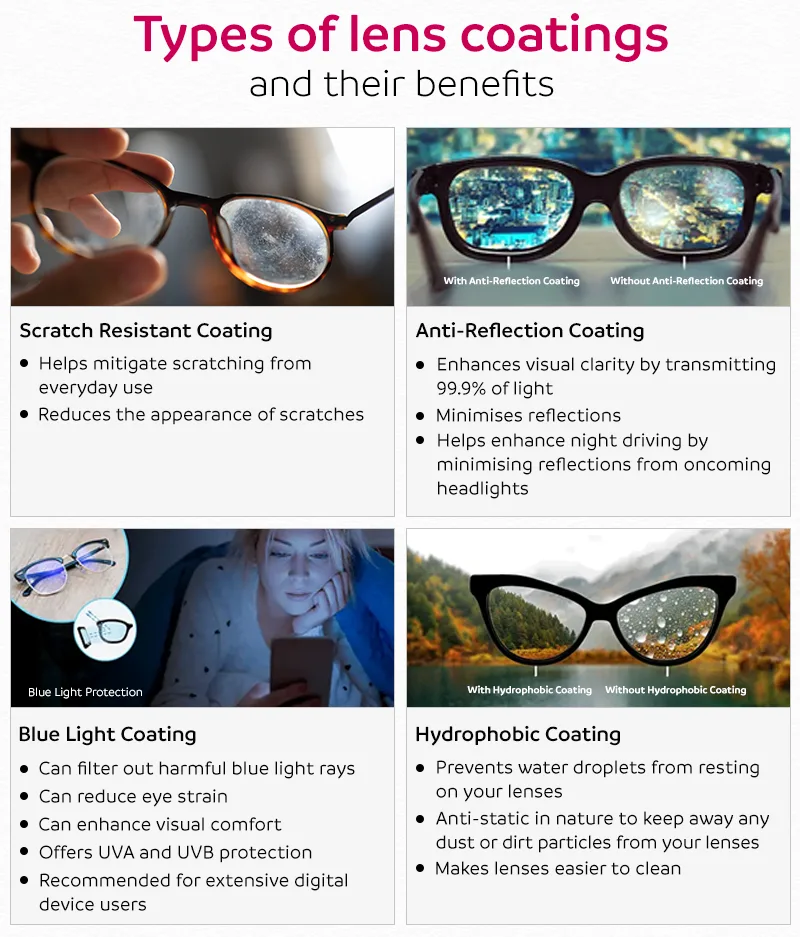
A great pair of sunglasses is an investment. To protect that investment, look for lenses with a hard, scratch-resistant lens coating. While no lens is completely scratch-proof, this durable coating acts as a protective shield against the minor scuffs and scrapes of everyday handling. It significantly extends the usable life of your lenses, keeping your vision clear and unobstructed for longer.
To apply these principles and discover the ideal combination of frame material, face-flattering shape, and comfort features, you need to see the options for yourself. Exploring a comprehensive collection is the best way to find the perfect pair. You can browse a wide variety of sunglasses to see these features in action and find the one that fits your needs perfectly.
【Your Definitive Guide to Choosing the Perfect Sunglasses】
Choosing your next pair of sunglasses is a journey that balances personal expression with technical precision. As we've explored, the ideal eyewear is far more than a brand name; it's a fusion of your identity, advanced protection, and peak performance. From the celebrity-endorsed styles that define a persona to the purpose-built gear that enhances athletic endeavors, the core message is clear: the right shades matter.
Remember to prioritize non-negotiable UV400 protection while considering advanced features like polarization and photochromic lenses for your specific needs. Pay attention to frame materials, whether you prefer the rich, warm feel of acetate or the featherlight strength of titanium. Finally, never underestimate the importance of a perfect fit, which ensures all-day comfort and stability. By synthesizing these elements—style, technology, material, and fit—you move from simply buying eyewear to making a truly personal investment. Armed with this knowledge, you are now equipped to confidently select the pair that not only protects your vision but also perfectly completes your look.
``` MjAyNTA4MDgyMDIzMjQ 当前显示MjAyNTA4MDgyMDIzMjQ。


Comments
Post a Comment